Why is it SO Popular to Have Your Logo Drawn by a Child?
There’s been a noticeable shift in branding over the past few years — everything is becoming more minimal, stripped back, and “safe.” Serif logos, neutral colours, simple layouts. It’s clean, but it’s also starting to feel very similar. At the same time, we’re now fully in the age of AI-generated everything. Logos, layouts, concepts — all produced instantly, all technically “good,” and all starting to feel a bit… empty.
So what happens when everything is polished, perfect, and fast?
People start to look for the opposite.
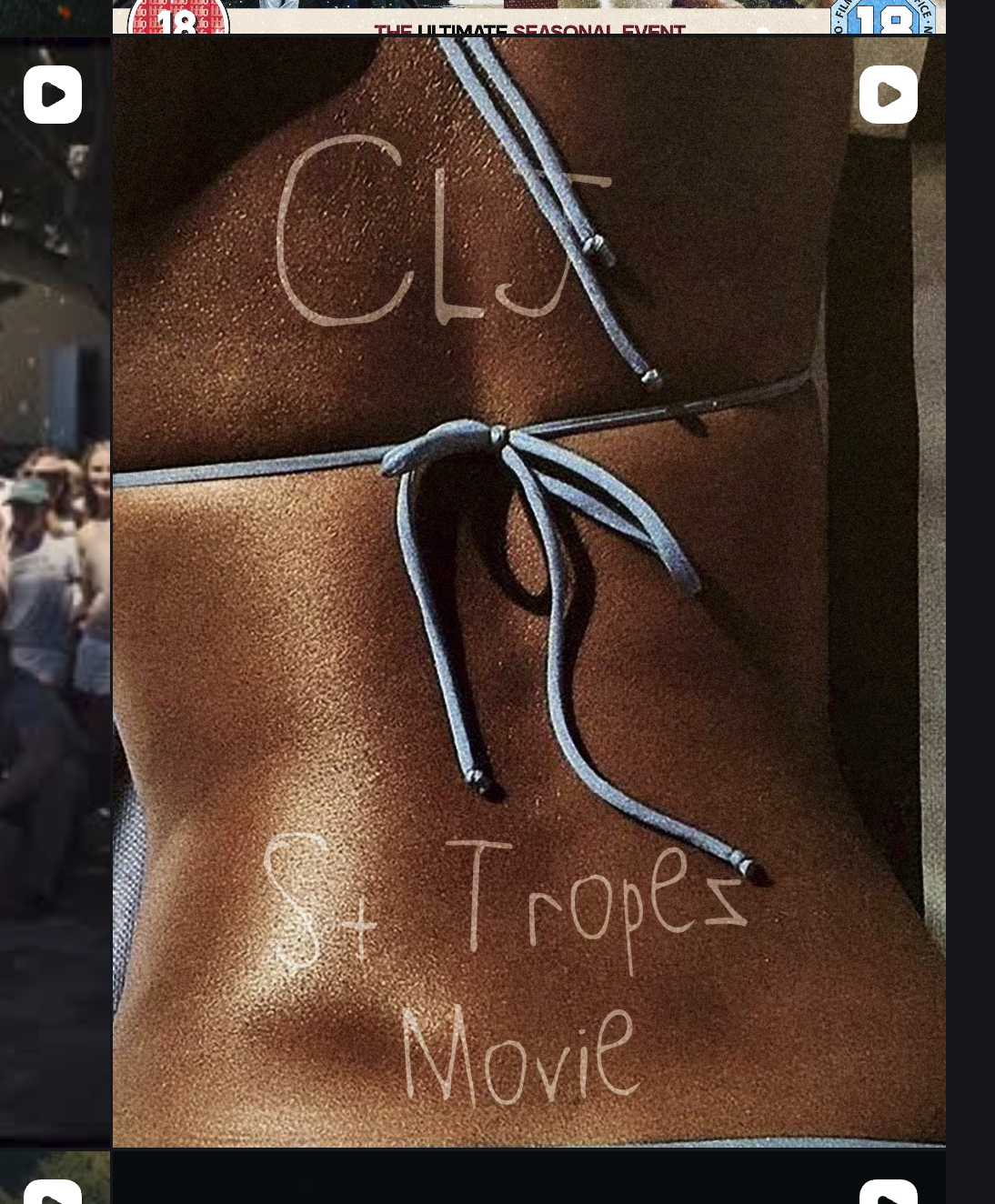
That’s where this rise in childlike, messy, imperfect branding comes in. Scribbles, uneven lines, awkward spacing — logos that look like they were drawn in five minutes. It feels human, spontaneous, and unfiltered. Or at least, it’s meant to. But the irony is, most of the time it’s still very much designed. Carefully placed “mistakes,” controlled randomness, curated imperfection. It’s not actually raw — it’s just styled to look that way. You can see the other side of this in places like Jolene in London. It sits in that very refined, minimal space — beautiful, understated, and clearly well designed. But it also fits into a wider wave of brands that all feel quite similar. This is where people start talking about the gentrification of design — everything becoming softer, safer, and visually interchangeable.

AI only pushes this further. When tools can generate endless “good” options in seconds, design risks becoming less about decision-making and more about selection. You’re not creating something, you’re choosing from a pool of things that already exist. And when that happens, authenticity becomes harder to find.So brands react by trying to reintroduce it — not through process, but through aesthetic. Making things look handmade, imperfect, or naive. It’s a visual shortcut to something that used to come naturally from actual human input.
That’s the tension right now.
On one side, you have AI making everything faster, cleaner, and more uniform. On the other, you have designers trying to bring back personality through controlled imperfection.
Neither is necessarily wrong. But it does raise a bigger question — if something looks human, but isn’t, does it still feel real?For me, the interesting part isn’t choosing between polished or messy. It’s about making something that actually feels specific, not just something that fits into a trend — whether that’s AI-generated perfection or intentionally “bad” design.Because in the end, authenticity isn’t really about how something looks.
It’s about how and why it was made.


.svg)