Designed to Be Ignored: Why Micro-Details Are Becoming the Most Important Part of Design
There’s a new kind of detail showing up more and more in design — the kind you don’t really notice at first.Tiny graphics. Technical markings. Small bits of text that look like they belong on something functional rather than something designed.
Think about the codes on car windows. The little stamps and symbols that sit in the corner — auto glass markings, safety specs, manufacturing details. Most people don’t read them, and probably couldn’t tell you what they mean. But you recognise them.
And more importantly, you trust them.
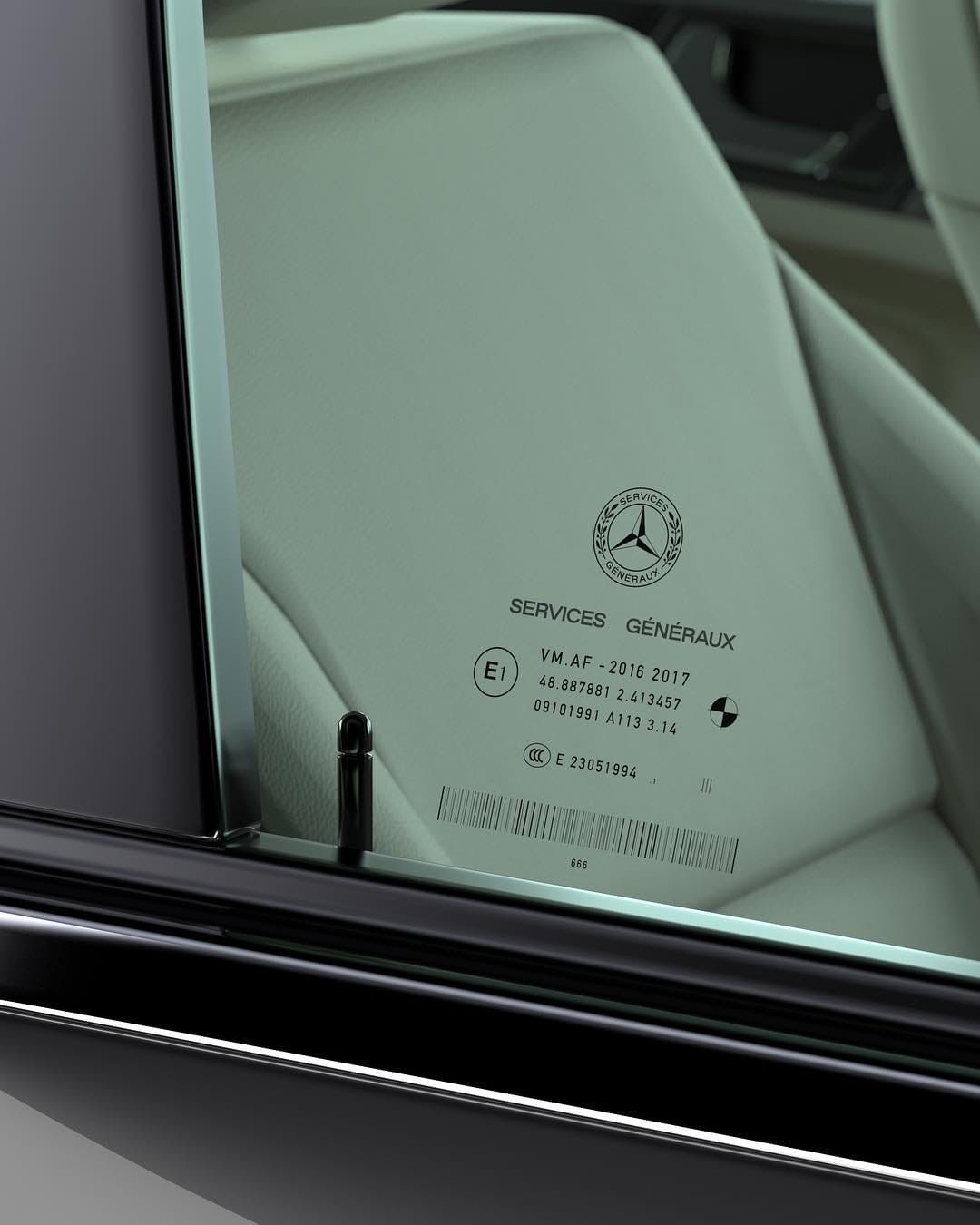
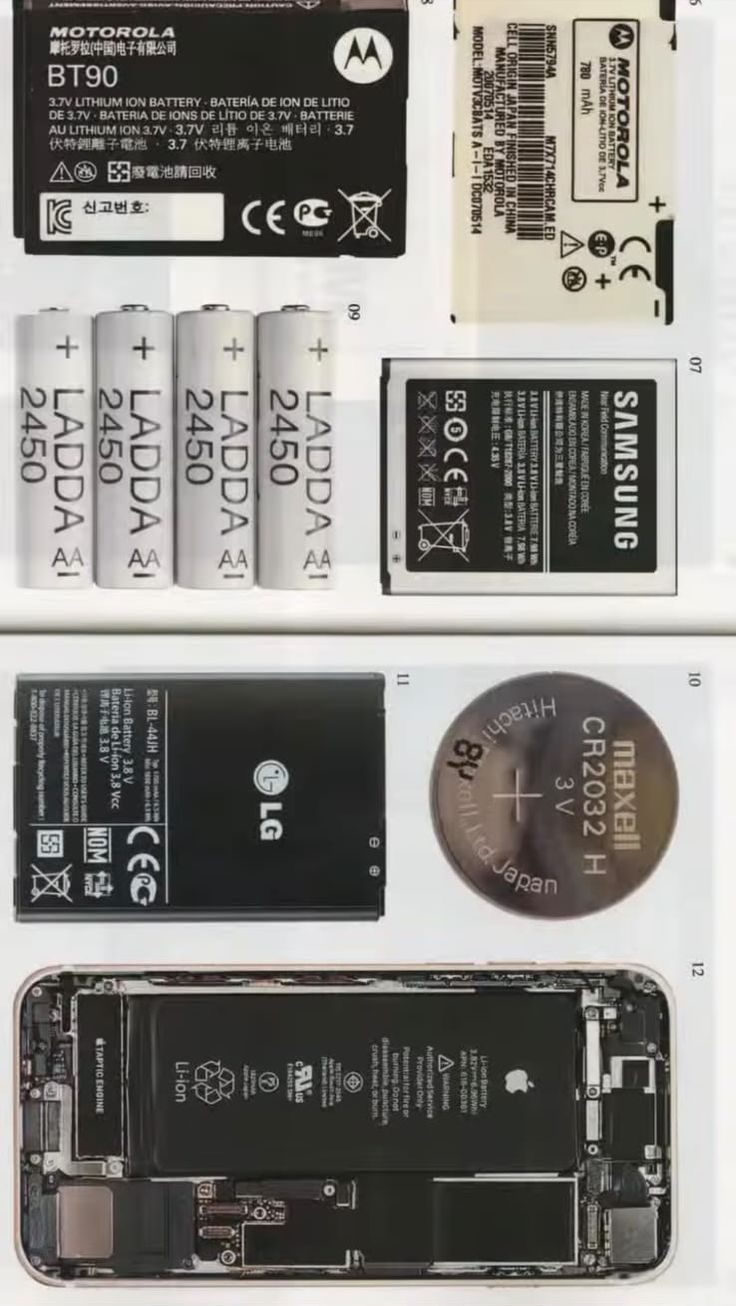
That’s what’s interesting about this shift. These elements weren’t originally designed to be aesthetic — they came from utility. Legal requirements, safety standards, systems that needed to exist. There’s a structure behind them, a kind of invisible rulebook.Now, that language is being pulled into branding.
You’re starting to see more of these micro-details used intentionally — small technical graphics, blueprint-style layouts, layered information that feels engineered rather than styled. It adds a kind of texture to design that goes beyond just colour and typography.
And it changes how something feels.Even if you’re not reading it, it gives the impression that there’s thought, process, and precision behind the product. It suggests that something has been made properly, not just designed to look good.It’s a different kind of premium.Not loud, not polished — but technical, quiet, and believable.
What’s interesting is that none of this is new. These systems have existed for years, but they were never meant to be noticed in this way. Now they’re being repurposed, taken out of purely functional contexts and used as a design language. It sits somewhere between engineering and branding. And it works because it doesn’t feel like it’s trying too hard.In a space where everything is either overly clean or intentionally messy, this feels like a third direction — something more considered and grounded, but still visually interesting. Because sometimes, the things we trust the most are the ones we don’t even realise we’re looking at.


Written by: Zoe Earl — April 2026





.svg)